David Huycke – Re-Thinking Granulation
David Huycke (1967, Sint-Niklaas) is de belangrijkste hedendaagse zilverkunstenaar in Vlaanderen en één van de toonaangevende namen in Europa. Z33 toont zijn nieuwste werk waarin hij de granulatietechniek heruitvindt.
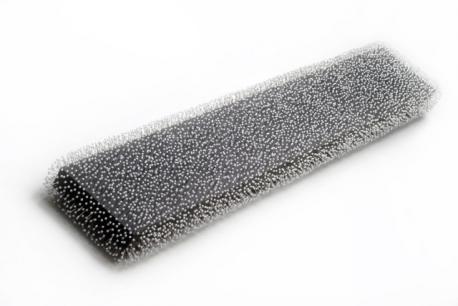
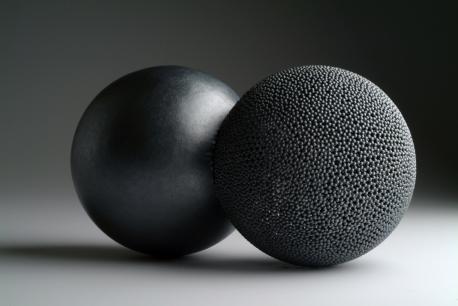
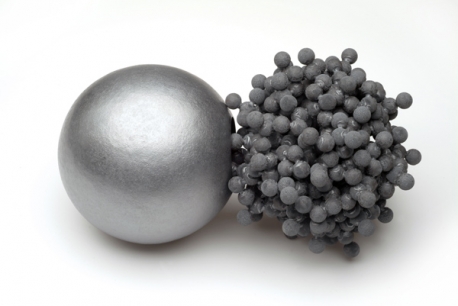
Granulatie is een versieringstechniek waarbij – soms tienduizenden – kleine metalen bolletjes of granules verbonden worden met een metalen ondergrond. De techniek bestaat al sinds 3000 voor Christus en werd geperfectioneerd door de Etrusken tussen 600 en 480 voor Christus. Sindsdien kende de techniek weinig evolutie.
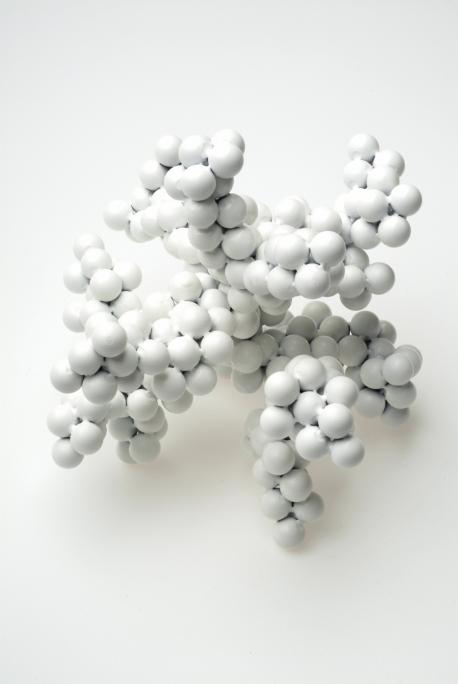
Voor David Huycke vormde het dan ook een enorme uitdaging om na meer dan 2500 jaar stilstand deze techniek nieuw leven in te blazen. Daar lukte hij met verve in. Hij ontdekte een manier om objecten helemaal op te bouwen vanuit de zilverbolletjes. Bovendien was dit proces zo inspirerend dat hij een hele reeks nieuwe objecten maakte geïnspireerd op de techniek. Het unieke resultaat van dit artistiek onderzoek is te zien in Z33.
Z33 wil als huis voor actuele kunst een uniek laboratorium en een ontmoetingsplaats zijn voor experiment en innovatie. Het tonen en ondersteunen van een artistiek onderzoek naar nieuwe mogelijkheden van een eeuwenoude discipline en techniek horen hier uiteraard bij. Bovendien biedt Z33 met deze presentatie een unieke kans om deze meester van de zilverkunst te ontdekken.
Re-Thinking Granulation is de afsluiter van een vijf jaar durend artistiek doctoraatsonderzoek i.s.m. de K.U.Leuven en de Uhasselt. De tentoonstelling is een presentatie als onderdeel van zijn doctoraat in de kunsten. In dit onderzoek stelde hij de mogelijkheden van de granulatietechniek vanuit een artistiek standpunt in vraag.
Huycke doceert aan de Provinciale Hogeschool Limburg (PHL) en was gastdocent aan belangrijke Europese en Amerikaanse opleidingen. Zijn werk is tentoongesteld in verschillende Europese tentoonstellingsplaatsen en is opgenomen in tal van belangrijke (prive)collecties (o.m. Marzee Collection, National Museum of Schotland, Musée des Arts Décoratifs-Louvre.)